
Published October 14, 2024
The Pros and Cons of Buying a Fixer-Upper: Is It the Right Move for You?

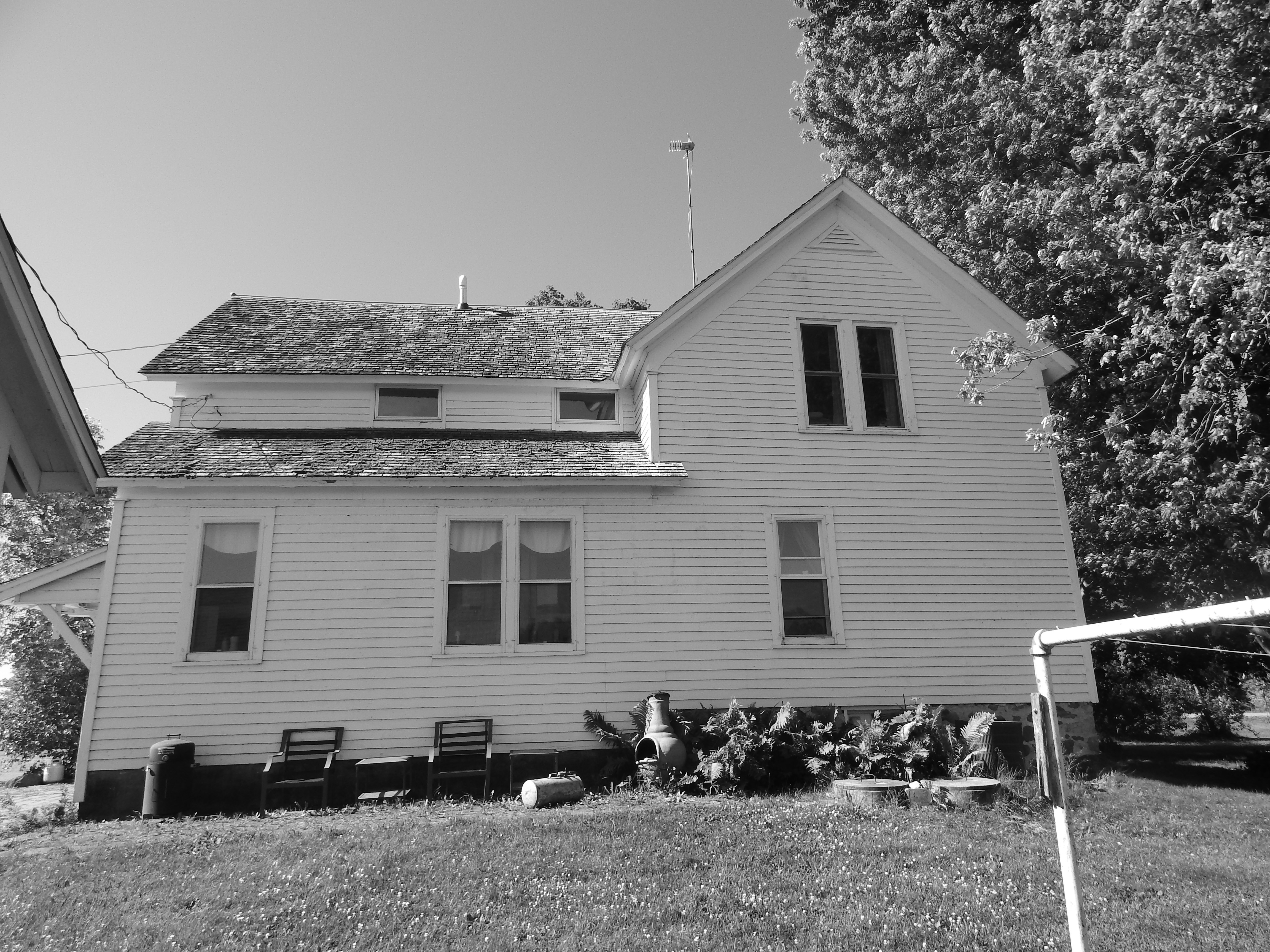
Not everyone can afford to buy the home of their dreams. But if you watch enough HGtV, you know that any home can be transformed with some creativity, a lot of work, and a big enough budget. The idea of purchasing a home below market value and transforming it into your dream space is enticing, but there are plenty of challenges to think about. Before you dive into the world of fixer-uppers, it’s essential to weigh the pros and cons to determine whether this option is right for you. Here's a look at both sides.
The Pros
-Lower Purchase Price: One of the most significant advantages of buying a fixer-upper is the lower upfront cost. Homes that need work are often priced below market value compared to move-in-ready properties. This allows you to enter neighborhoods or markets that might otherwise be out of your budget. Additionally, you may be able to negotiate a better deal if the seller is eager to offload the property.
-Customization Potential: When you buy a fixer-upper, you have the freedom to design and renovate the home according to your personal style and preferences. You can update the layout, choose finishes, and make the space truly your own. For many buyers, the opportunity to create a personalized home is one of the most appealing aspects of purchasing a fixer-upper.
-Increased Home Equity: As you renovate and improve the home, you’re adding value to the property. With the right improvements, you could significantly increase the home's resale value, building equity faster than you would with a turnkey property. This potential for increased equity makes fixer-uppers a smart investment, especially if you're able to do some of the renovations yourself.
Less Competition: In a hot real estate market, move-in-ready homes often attract multiple offers, driving up prices. Fixer-uppers, on the other hand, tend to have less competition. Many buyers are deterred by the thought of extensive renovations, giving you a better chance to purchase the property without entering a bidding war.
-Potential Tax Benefits: Some renovations may qualify for tax benefits, particularly if they improve energy efficiency or bring the home up to code. Depending on where you live, there may be local, state, or federal incentives for home improvements that could offset some of your renovation costs.
The Cons
-Unexpected Renovation Costs: Renovating a fixer-upper is often more expensive than buyers initially anticipate. Hidden issues such as structural damage, plumbing problems, or outdated electrical systems can quickly add up. It’s essential to get a thorough home inspection and budget for unexpected costs, but even then, surprises can still arise. These additional expenses can quickly eat into your savings and make the renovation more stressful than planned.
-Time and Effort: Renovating a home takes time, energy, and commitment. If you're not prepared for the disruption, long renovation timelines can become overwhelming. Depending on the scope of the work, you may be living in a construction zone for months or even have to find temporary housing while renovations are completed. Managing contractors, securing permits, and staying on top of the project can also be time-consuming, especially if you have a full-time job.
Financing Challenges: Securing financing for a fixer-upper can be more complicated than for a move-in-ready home. Traditional mortgage lenders may be hesitant to approve loans for homes in disrepair. Instead, you may need to explore other financing options, such as renovation loans (e.g., FHA 203(k) or Fannie Mae’s HomeStyle loan). These loans allow you to bundle the purchase price and renovation costs into a single mortgage, but they may come with additional paperwork and strict guidelines.
Overestimating Your Abilities- While DIY home improvement shows make renovations look fun and easy, the reality can be very different. Tackling a fixer-upper often requires skilled labor and experience. Overestimating your ability to handle certain tasks or underestimating the complexity of a renovation can lead to costly mistakes. If you’re not comfortable managing or completing certain aspects of the renovation, you’ll need to hire professionals, which will increase costs.
-Longer Move-In Timeline: If you're hoping to move into your new home quickly, a fixer-upper might not be the best choice. Renovations, permits, and inspections can extend your timeline, delaying when you can comfortably settle into the space. For those on a tight schedule or looking for an immediate home, the extended renovation period can be a dealbreaker.
Is a Fixer-Upper Right for You?
Buying a fixer-upper can be a rewarding experience if you're willing to invest the time, money, and effort into renovations. However, it’s essential to go into the process with realistic expectations and a solid plan. Before deciding, consider these questions:
What’s your budget? Beyond the purchase price, do you have enough funds to cover unexpected renovation costs? It’s crucial to set aside a contingency budget of at least 10-20% of your renovation estimate.
How much time do you have? If you’re in a rush to move in or don’t have the time to manage a renovation, a fixer-upper may not be the best choice. Consider how much disruption you’re willing to handle during the renovation process.
Are you handy or willing to hire professionals? Even if you plan on DIYing some of the work, certain tasks will require skilled labor. Do you have access to reliable contractors? Are you comfortable managing the renovation?
What’s the potential for return on investment? Research the local market to determine how much value your renovations will add. Not all improvements lead to significant ROI, so make sure you’re investing in upgrades that will enhance the home's value and appeal to future buyers.
### **Conclusion**
Buying a fixer-upper is an exciting opportunity to create a customized home and potentially build significant equity. However, it comes with challenges that not all buyers are prepared for. By carefully evaluating the pros and cons, doing thorough research, and planning for the unexpected, you can determine whether this real estate path is right for you. If you’re ready to take on the challenge, a fixer-upper could be your ticket to owning a home that perfectly fits your vision—and your budget.
|


or another way