
Published November 18, 2025
The Right Thing(s) to do for your Client

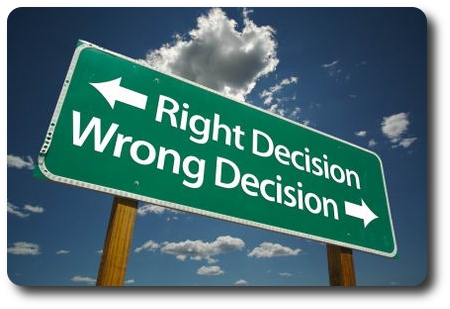
A Realtor’s True North: Understanding the Client Before Anything Else
In real estate, success doesn’t start with the contract, the numbers, or even the house.
It starts with the client—their goals, their story, their vision for what comes next.
A great realtor knows that buying or selling a home is one of the most personal decisions a person can make. It’s rarely just a transaction. It’s timing, emotion, finances, dreams, and sometimes even fear all wrapped together. The best approach? Slow down, listen, and make it all about them.
1. Start With Their Goals
Every buyer and seller has a “why.”
Your job as a realtor is to find out what that “why” is.
Are they trying to upsize, downsize, relocate, or invest?
Are they selling to capitalize on market conditions?
Are they buying to be closer to family, schools, or career opportunities?
Understanding the underlying purpose gives clarity to every decision that follows. It transforms the process from guesswork into a guided journey.
2. Ask What They Love About Their Current Home
This simple question unlocks powerful insights.
Sellers often reveal:
Favorite features of their home
What they will miss
Improvements they’ve made
Details a future buyer will care about
These aren’t just talking points—they help shape your marketing strategy, highlight unique selling features, and connect emotionally with buyers.
Buyers, on the other hand, often describe what they haven’t had in the past but want in their next home. The things they love in their current home can help you match them to the right next step.
3. Understand What They Love About Their Area
People choose communities for a reason.
Maybe it’s:
The schools
Proximity to work
Mountain views
A peaceful neighborhood
Walkability
Access to lakes, trails, or local hotspots
By learning what they value, you can market those strengths to future buyers—or match them with similar areas when they move.
4. Clarify Their Timeframe
Timeframe is everything.
Are they ready to move immediately?
Are they waiting on a job change, school schedule, home repairs, or the sale of another property?
Knowing this upfront allows you to:
- Set expectations
- Craft the right strategy
- Pace your communication
- Plan marketing or showings
- Prepare them for realistic timelines
A rushed process feels chaotic. A thoughtful timeline feels professional and controlled.
5. Ask Where They’re Going Next
This is one of the most important questions a realtor can ask.
It tells you:
Whether they’ll need help in another city
What their expectations are for their next home
Whether they need to sell before they buy
Whether their move is optional or required
And when you know where they’re headed, you can create a seamless, stress-free transition—or tap into your network to help them on the other end.
6. Understand Financing—Clearly and Respectfully
No two buyers finance the same way.
Cash?
Conventional loan?
FHA or VA?
Gift from family?
Equity from a sale?
Understanding financing changes how you negotiate, how strong their offer is, and how quickly you can move. For sellers, knowing the financial strength of a buyer is crucial. For buyers, helping them understand realistic affordability protects them from making the wrong decision.
Financing isn’t just about numbers—it’s about confidence and stability.
7. Provide Feedback, Advice, and Direction—But Only After Listening
The best realtors don’t walk into a conversation telling the client what to do.
They listen first. Everything else comes second.
Once you understand:
Their goals
Their likes and dislikes
Their timeline
Their destination
Their financial picture
Then you give thoughtful feedback and direction.
Your expertise matters—but it lands best when it’s connected to what they want.
8. Make It About Their Path, Not Your Process
A true professional tailors the strategy to the client—not the other way around.
When clients feel heard, understood, and guided, the entire experience becomes smoother, clearer, and more productive. They trust you. They follow your advice. They refer you to others.
Because you didn’t just help them buy or sell a home.
You helped them move forward in their life with clarity and confidence.
The Bottom Line
Great real estate isn’t built on salesmanship.
It’s built on service, listening, and alignment with the client’s goals.
When you understand what they want, why they want it, and when they need it—you become more than a realtor.
You become the partner who helps them take the next step in their story.
And that is the heart of outstanding real estate service.
|


or another way