
Published August 5, 2024
Trends: Smaller homes and disappearing hallways

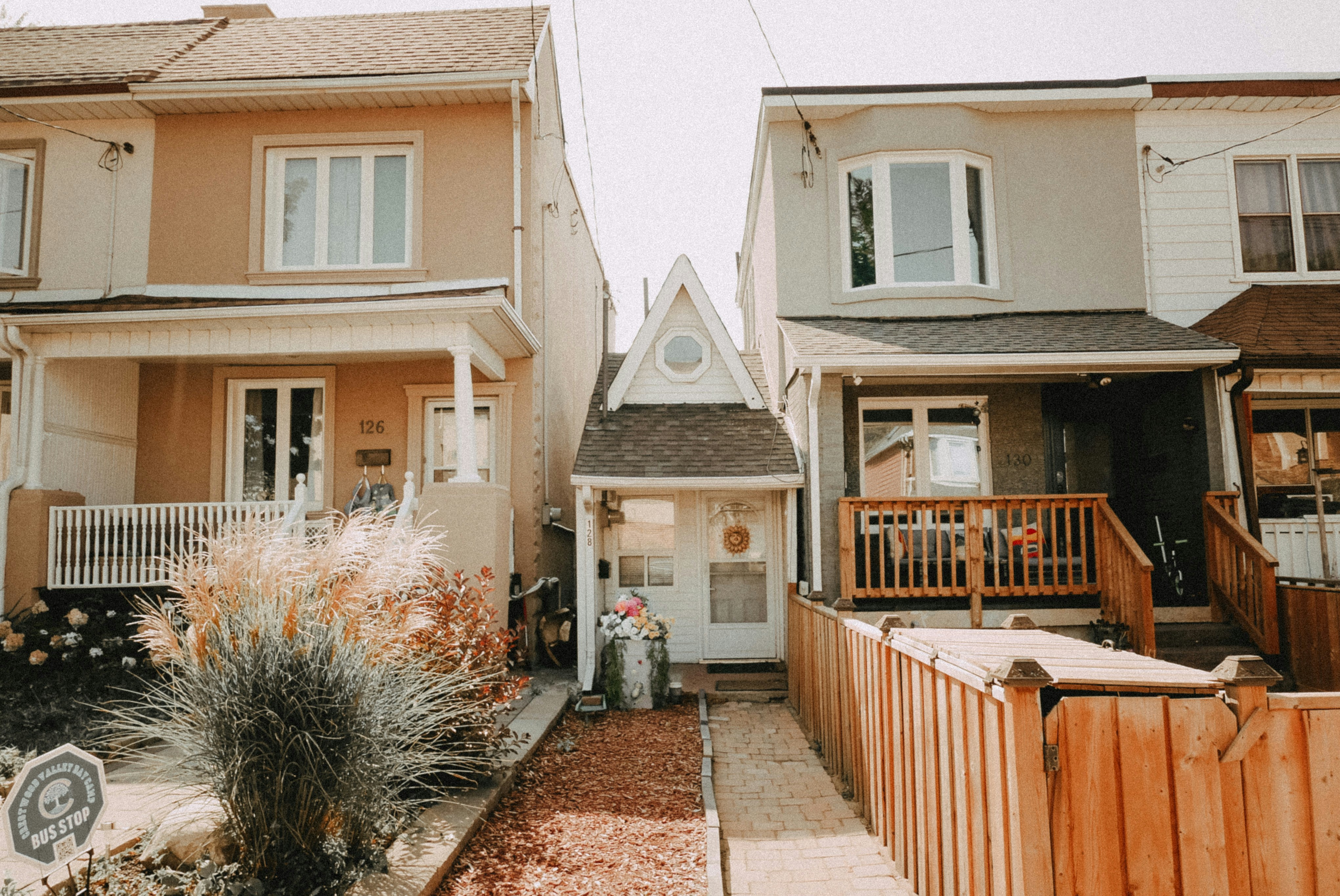
In the world of real estate, trends are always evolving. Recently, there has been a notable shift from the grandeur of McMansions to more modestly sized homes. This change is being driven by both economic factors and evolving consumer preferences. According to a recent report by Realtor.com, smaller homes are making a strong comeback, with one surprising feature often being eliminated to save space: hallways.
Realtor.com senior economist Ralph McLaughlin highlights a key trend: "The median price of homes for sale this June remained stable compared with last year, at $445,000. However, the median price per square foot grew by 3.4%, indicating that the inventory of smaller and more affordable homes has grown in share." This data underscores the growing availability of budget-friendly homes, especially those priced between $200,000 and $350,000. In fact, homes in this price range saw a 50% increase in inventory in June compared to the previous year.
What's driving this trend? Smaller homes are generally more affordable, both in terms of purchase price and ongoing maintenance costs. Lower heating and cooling costs are an attractive benefit. Plus, modern buyers simply don't need as much space as they used to. With advances in technology, bulky electronics have been replaced by compact devices, reducing the need for expansive living areas.
One significant change in the design of these smaller homes is the reduction or elimination of hallways. Jenni Nichols, vice president of design for John Burns Research and Consulting, explains, "Circulation space like hallways use square footage, while typically not providing any function, so they become one of the features that are easy to cut back on." This shift allows designers to maximize the usable space in a home, focusing on areas that residents will use more frequently.
According to a recent U.S. Residential Architecture and Design survey, new homes are expected to continue getting smaller. Nichols states that 43% of production residential designers worked on smaller projects last year compared to the year before, with 27% reducing the size of projects to save on costs. This trend is likely to persist as builders strive to create affordable homes for buyers with limited purchasing power.
